

- Mar 13, 2024
- 8,719
- 36
You checked the radar. There are no thunderstorms brewing, no snowstorms swallowing the airport, and no suspiciously dramatic wind gusts rattling the terminal windows. And yet, your flight to Disney World is delayed.

©Wesh
The unexpected culprit might be the giant flaming ball in the sky. Extreme heat can interfere with an airplane’s ability to take off safely. That means a clear, sunny afternoon can cause delays, weight restrictions, and even cancellations, particularly at airports dealing with seriously high temperatures. So, before you assume blue skies guarantee an easy travel day, here’s what Disney travelers need to know.

We usually associate weather-related flight problems with thunderstorms, lightning, ice, or winds strong enough to relocate your patio furniture. Heat feels less threatening. It is just sitting there, cooking the parking lot and turning every metal seatbelt buckle into a branding iron. But heat changes the air itself.
https://www.disneyfoodblog.com/wp-content/uploads/2025/05/20250503-Magical Guides-_-Air-Plane-_-General-Travel-Photo-May-03-2025-7-02-52-AM-4032-x-3024-700x525.jpg
Heat makes the plane work harder.
Did you know hot air is actually thinner than cool air? That matters more than you might think when it comes to flying. Airplanes rely on that air flowing over their wings to create lift, and when the air gets less dense, everything has to work a little harder. On especially hot days, a plane might need more runway, a faster takeoff speed, or even a lighter load to get off the ground safely.

©United Airlines
There’s even a term for this: “density altitude.” It’s how pilots describe the way heat (and elevation) can make the air behave like you’re taking off from a much higher place than you really are. When density altitude is high, planes don’t climb as easily and need more distance to take off. Basically, the plane feels as though it is taking off from a higher elevation than it actually is. The aircraft has not moved uphill. The atmosphere has simply decided to make everything more difficult.
This is where things get slightly more complicated than checking whether the temperature rivals the surface of the sun. Different aircraft have different operating limits. A smaller regional jet may run into trouble at a temperature that a larger commercial aircraft can handle. Airlines also have to consider the plane’s weight, the airport’s elevation, the available runway length, and the specific conditions at departure time.

Lookin’ good
Elevation affects this because the air is already less dense at higher-altitude airports. Add extreme heat, and an airplane departing from a place like Denver may face more performance challenges than one departing from an airport near sea level at similar temperatures. A long runway can also give a plane more room to reach the necessary takeoff speed. A short runway leaves less flexibility. Even the weight of the aircraft matters. Passengers, checked bags, cargo, and fuel all count, including the souvenir collection you swore would fit into one modest carry-on.

Luggage
There is no giant airport thermometer that flips from everything is fine to absolutely not. Airlines and pilots calculate whether each flight can operate safely using the conditions and aircraft involved.
When heat affects takeoff performance, airlines have several possible responses. They may delay the flight until temperatures drop. They may change the aircraft, adjust fuel planning, restrict cargo, or reduce the overall weight onboard. In some cases, passengers or checked luggage may need to be moved to another flight.

Airline Cabin
And yes, a flight can be canceled if the aircraft cannot operate safely under the conditions. That happened during a major Phoenix heat wave in 2017, when temperatures approached 120 degrees and more than 40 regional flights were canceled. The larger planes operating at the airport were generally able to continue flying, but some smaller aircraft had lower temperature limits. This does not mean every 100-degree afternoon will bring an airport to a complete halt. It does mean the temperature can quietly become another ingredient in the bubbling cauldron of summer travel problems.
There are many reasons to choose an early flight, including the possibility that you could be holding a Mickey-shaped snack before some people have finished breakfast. Morning departures can also help you avoid the most intense heat of the day. Airlines may shift or delay flights to avoid the hottest afternoon hours, which are often between roughly 3 PM and 6 PM.

Allegiant at Sanford Airport
An early flight will not make you immune to delays. Air travel has an impressive collection of ways to rearrange your plans. But during periods of extreme heat, leaving before temperatures peak may improve your odds. This is especially worth considering when flying through hot-weather airports in places like Arizona, Nevada, or Texas. Florida also gets extremely hot, although afternoon thunderstorms are often the more obvious summer troublemaker around Orlando.
A heat-related delay can be especially painful when your arrival day is packed tighter than Main Street, U.S.A. at Magic Kingdom during the fireworks. Try not to schedule a nonrefundable event immediately after your expected landing time. That includes expensive dinners, separately ticketed events, transportation reservations, or any plan that requires you to sprint through Orlando International Airport while dragging three suitcases and a stroller.

Cinderella’s Royal Table
Keep medication, chargers, a change of clothes, and essential toiletries in your carry-on. If your checked bag ends up taking a different vacation, you will at least have enough supplies to get through the night. Download your airline’s app and turn on notifications before leaving home. Airlines may announce delays, gate changes, or rebooking options through the app before the airport monitors catch up.

©United Airlines
It is also smart to know your refund rights. If an airline cancels your flight, or significantly delays or changes it, you are entitled to a refund when you choose not to travel or accept the alternative transportation offered. However, U.S. airlines generally are not legally required to provide additional compensation for ordinary domestic delays and cancellations, particularly when weather is responsible.
Most travelers already watch for thunderstorms before a flight. During a major heat wave, the temperature deserves a spot on your pre-travel checklist, too. A scorching forecast does not automatically mean your flight will be canceled. It may, however, increase the possibility of weight restrictions, schedule changes, or delays until conditions improve.

Frontier Airlines
The best defense is a little flexibility. Choose an earlier departure, when possible, avoid stacking expensive plans onto arrival day, and keep your essentials close. Because sometimes the sky is perfectly clear, the sun is shining, and your airplane is still sitting at the gate saying, “Nope. Too spicy.”
We’re always watching for travel news that could affect your next Disney vacation, so stay tuned to Magical Guides for more updates and planning tips.
Do you have any travel tips? Let us know in the comments below!

©Wesh
The unexpected culprit might be the giant flaming ball in the sky. Extreme heat can interfere with an airplane’s ability to take off safely. That means a clear, sunny afternoon can cause delays, weight restrictions, and even cancellations, particularly at airports dealing with seriously high temperatures. So, before you assume blue skies guarantee an easy travel day, here’s what Disney travelers need to know.
Yes, It Can Be Too Hot to Fly
We usually associate weather-related flight problems with thunderstorms, lightning, ice, or winds strong enough to relocate your patio furniture. Heat feels less threatening. It is just sitting there, cooking the parking lot and turning every metal seatbelt buckle into a branding iron. But heat changes the air itself.
https://www.disneyfoodblog.com/wp-content/uploads/2025/05/20250503-Magical Guides-_-Air-Plane-_-General-Travel-Photo-May-03-2025-7-02-52-AM-4032-x-3024-700x525.jpg
Heat makes the plane work harder.
Did you know hot air is actually thinner than cool air? That matters more than you might think when it comes to flying. Airplanes rely on that air flowing over their wings to create lift, and when the air gets less dense, everything has to work a little harder. On especially hot days, a plane might need more runway, a faster takeoff speed, or even a lighter load to get off the ground safely.

©United Airlines
There’s even a term for this: “density altitude.” It’s how pilots describe the way heat (and elevation) can make the air behave like you’re taking off from a much higher place than you really are. When density altitude is high, planes don’t climb as easily and need more distance to take off. Basically, the plane feels as though it is taking off from a higher elevation than it actually is. The aircraft has not moved uphill. The atmosphere has simply decided to make everything more difficult.
There Is No Single “Too Hot” Temperature
This is where things get slightly more complicated than checking whether the temperature rivals the surface of the sun. Different aircraft have different operating limits. A smaller regional jet may run into trouble at a temperature that a larger commercial aircraft can handle. Airlines also have to consider the plane’s weight, the airport’s elevation, the available runway length, and the specific conditions at departure time.
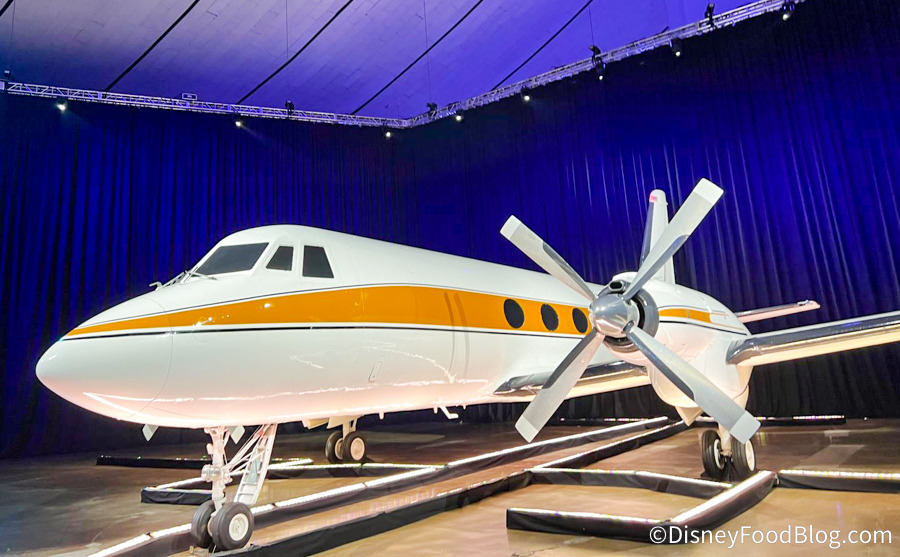
Lookin’ good
Elevation affects this because the air is already less dense at higher-altitude airports. Add extreme heat, and an airplane departing from a place like Denver may face more performance challenges than one departing from an airport near sea level at similar temperatures. A long runway can also give a plane more room to reach the necessary takeoff speed. A short runway leaves less flexibility. Even the weight of the aircraft matters. Passengers, checked bags, cargo, and fuel all count, including the souvenir collection you swore would fit into one modest carry-on.
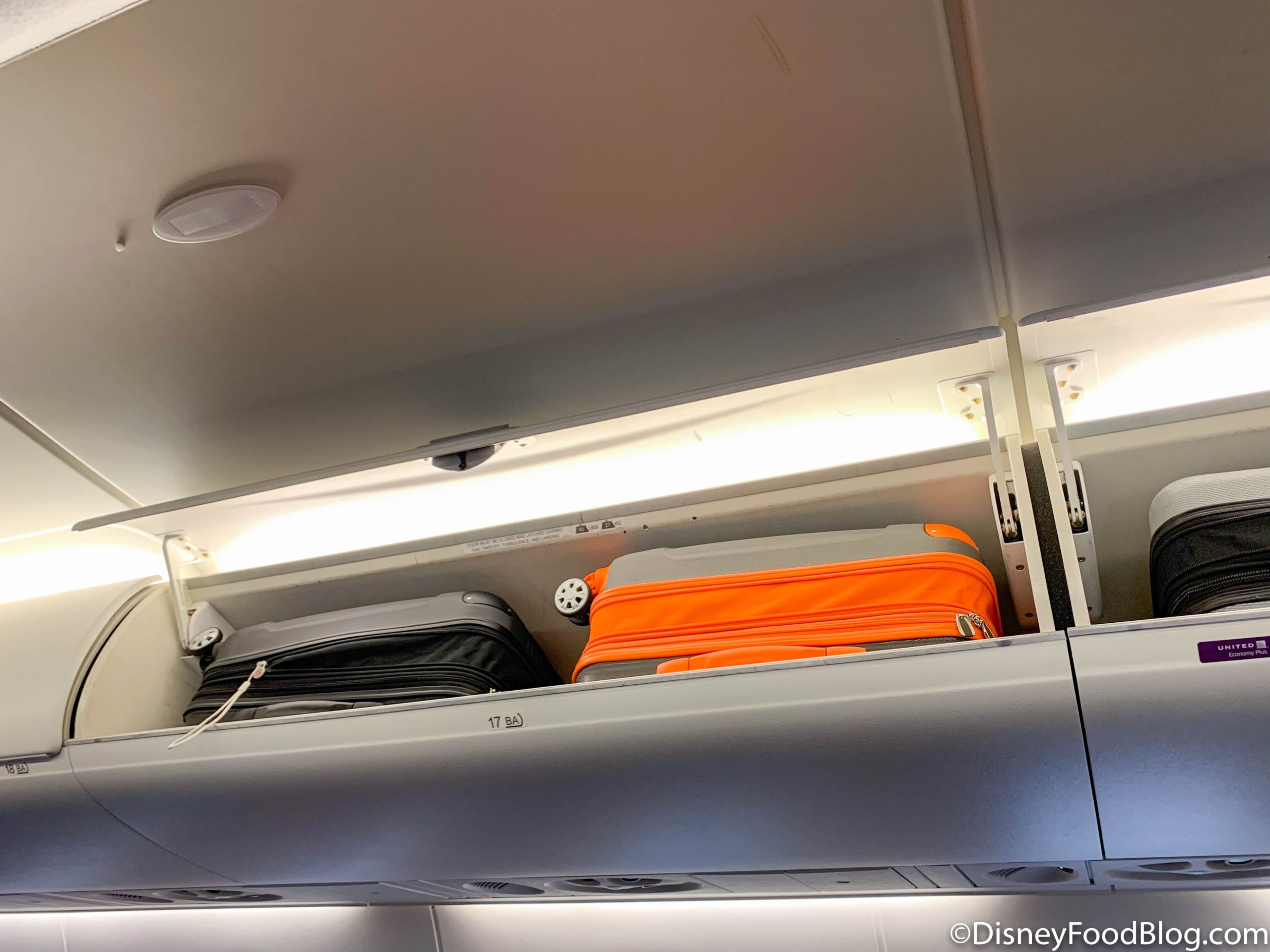
Luggage
There is no giant airport thermometer that flips from everything is fine to absolutely not. Airlines and pilots calculate whether each flight can operate safely using the conditions and aircraft involved.
Your Flight May Go on a Diet
When heat affects takeoff performance, airlines have several possible responses. They may delay the flight until temperatures drop. They may change the aircraft, adjust fuel planning, restrict cargo, or reduce the overall weight onboard. In some cases, passengers or checked luggage may need to be moved to another flight.
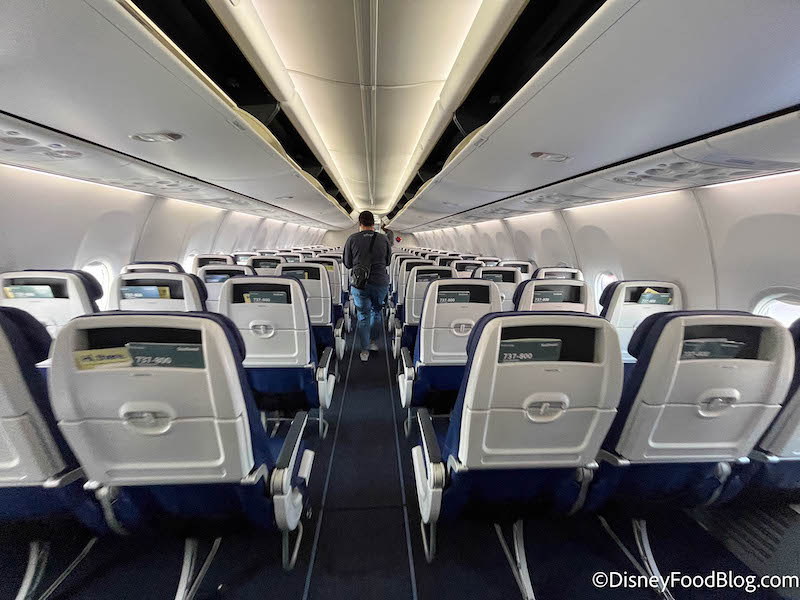
Airline Cabin
And yes, a flight can be canceled if the aircraft cannot operate safely under the conditions. That happened during a major Phoenix heat wave in 2017, when temperatures approached 120 degrees and more than 40 regional flights were canceled. The larger planes operating at the airport were generally able to continue flying, but some smaller aircraft had lower temperature limits. This does not mean every 100-degree afternoon will bring an airport to a complete halt. It does mean the temperature can quietly become another ingredient in the bubbling cauldron of summer travel problems.
Book the Morning Flight
There are many reasons to choose an early flight, including the possibility that you could be holding a Mickey-shaped snack before some people have finished breakfast. Morning departures can also help you avoid the most intense heat of the day. Airlines may shift or delay flights to avoid the hottest afternoon hours, which are often between roughly 3 PM and 6 PM.
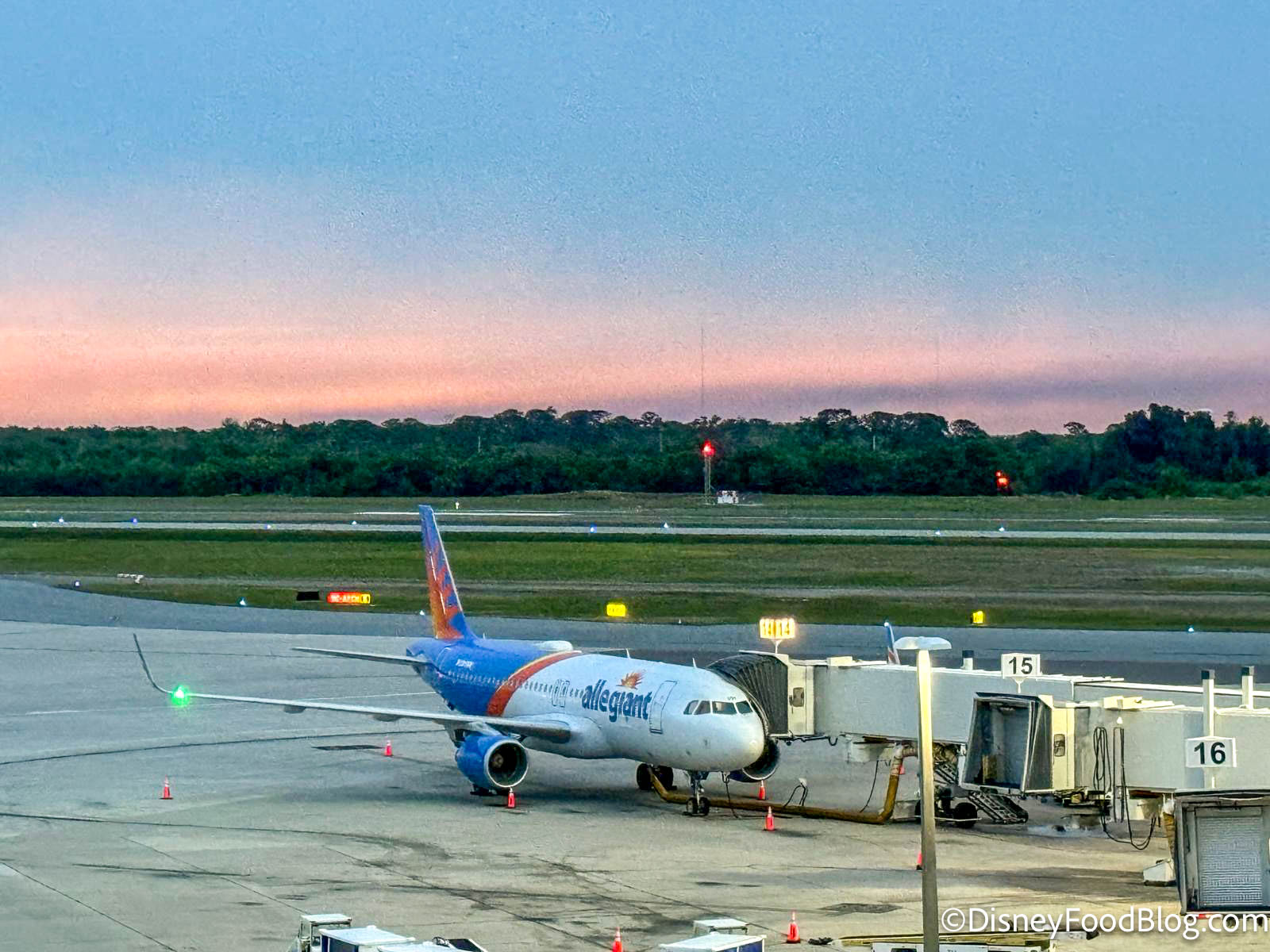
Allegiant at Sanford Airport
An early flight will not make you immune to delays. Air travel has an impressive collection of ways to rearrange your plans. But during periods of extreme heat, leaving before temperatures peak may improve your odds. This is especially worth considering when flying through hot-weather airports in places like Arizona, Nevada, or Texas. Florida also gets extremely hot, although afternoon thunderstorms are often the more obvious summer troublemaker around Orlando.
Give Your Disney Plans Some Breathing Room
A heat-related delay can be especially painful when your arrival day is packed tighter than Main Street, U.S.A. at Magic Kingdom during the fireworks. Try not to schedule a nonrefundable event immediately after your expected landing time. That includes expensive dinners, separately ticketed events, transportation reservations, or any plan that requires you to sprint through Orlando International Airport while dragging three suitcases and a stroller.

Cinderella’s Royal Table
Keep medication, chargers, a change of clothes, and essential toiletries in your carry-on. If your checked bag ends up taking a different vacation, you will at least have enough supplies to get through the night. Download your airline’s app and turn on notifications before leaving home. Airlines may announce delays, gate changes, or rebooking options through the app before the airport monitors catch up.

©United Airlines
It is also smart to know your refund rights. If an airline cancels your flight, or significantly delays or changes it, you are entitled to a refund when you choose not to travel or accept the alternative transportation offered. However, U.S. airlines generally are not legally required to provide additional compensation for ordinary domestic delays and cancellations, particularly when weather is responsible.
Keep an Eye on the Temperature
Most travelers already watch for thunderstorms before a flight. During a major heat wave, the temperature deserves a spot on your pre-travel checklist, too. A scorching forecast does not automatically mean your flight will be canceled. It may, however, increase the possibility of weight restrictions, schedule changes, or delays until conditions improve.
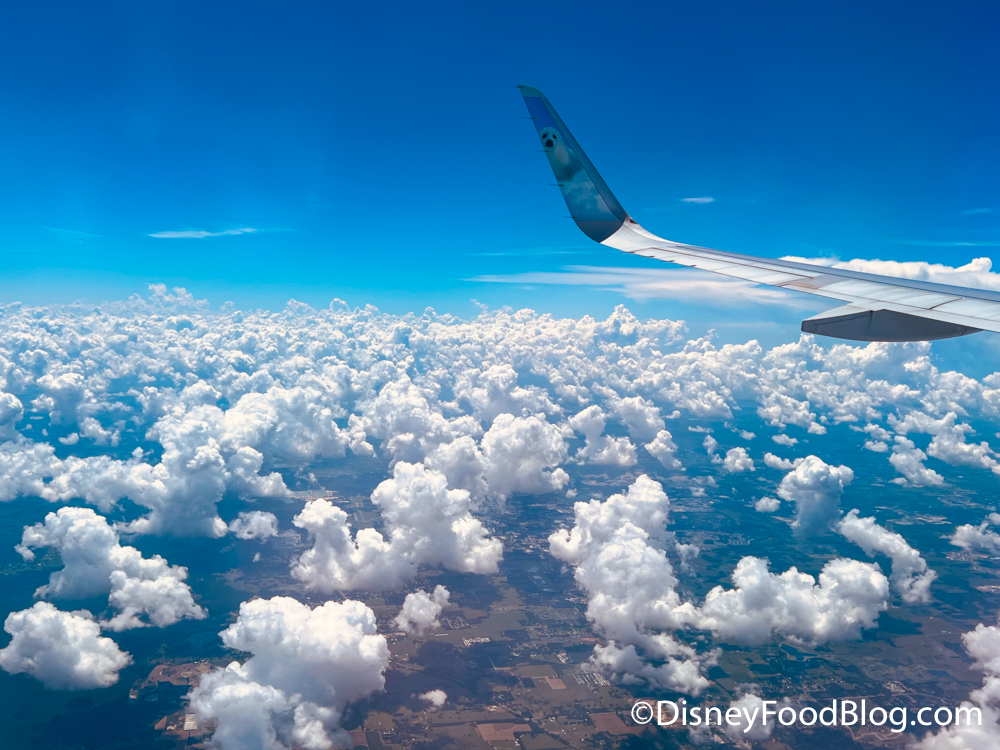
Frontier Airlines
The best defense is a little flexibility. Choose an earlier departure, when possible, avoid stacking expensive plans onto arrival day, and keep your essentials close. Because sometimes the sky is perfectly clear, the sun is shining, and your airplane is still sitting at the gate saying, “Nope. Too spicy.”
We’re always watching for travel news that could affect your next Disney vacation, so stay tuned to Magical Guides for more updates and planning tips.
Read More Travel Tips
- The Unexpected Reason Your Next Flight Could Be Delayed
- NEW RULES For Flying to Orlando Airport This Summer
- Is This NEW Airline Seating Option Actually Worth It? We Found Out!
- 3 Important Rules You Should Know Before Choosing Your Seat on Southwest Airlines
- The Best and WORST Times to Use the Bathroom on a Plane, According to Our Thorough Testing
Join the Magical Guides Newsletter to get all the breaking news right in your inbox! Click here to Subscribe!
Do you have any travel tips? Let us know in the comments below!
