

- Mar 13, 2024
- 8,646
- 36
Many hotel rooms come with a mini fridge — but the effectiveness of these in-room amenities is debatable.

Mini Fridge
After a long day of vacation, it’s safe to assume maybe you didn’t finish every meal — but you don’t necessarily want that food to go to waste. Maybe you got a box to go, hoping to keep it safe in your hotel room’s mini fridge. However, (as we previously discovered with the Disney Cruise Line mini fridges), you might be taking a risk trusting your mini fridge to keep food at safe temperatures for a long period of time.

In our investigation of cruise ship mini fridges, we found that their primary function is that of a beverage cooler. These beverage coolers are not suitable for maintaining the safe temperatures needed for storing refrigerated medication or liquids like breast milk and formula — nor can they be totally relied on to keep food (importantly: protein) cold.

Mini Fridge
These mini fridges typically hold 40°F to 45°F or higher temperatures, rather than a consistent and safe refrigeration temperature.
While some hotels have true mini refrigerators, a bunch actually use beverage coolers. Since both are nearly identical, you may want to clarify with the front desk before you insist on sticking leftover steak or other protein in there. Fortunately, some beverage coolers also contain warnings, so you can read ahead before making what might be a BIG mistake.

Beverage Cooler
A glass-front unit is often a beverage cooler, while real refrigerators are more likely to have a temperature adjustment dial, a compressor “hump” inside the back, and colder internal temperatures throughout.
A real refrigerator uses a compressor to keep food at 40°F or colder — the temperature recommended to slow bacterial growth. Beverage coolers, on the other hand, often use thermoelectric cooling systems that simply lower the temperature to around 20 degrees below the surrounding room temperature. That simply won’t cut it for preserving leftovers.

Beverage Cooler
If your hotel room is sitting at 72°F, that means the cooler might only reach the low 50s — far too warm for safely storing perishable foods.
Food safety experts call temperatures between 40°F and 140°F the “danger zone.” That’s where bacteria multiply the fastest, and if you eat this food, you’re seriously putting your health AT RISK!
If you tuck away last night’s cheeseburger, fried chicken, sushi, or creamy pasta in a beverage cooler that’s hovering around 50°F, you’re not really refrigerating it — you’re just slowing down the warming process a little, while the bacteria grows.

Mini fridge
Overnight, bacteria can continue multiplying, making those leftovers something that can end your vacation early… or worse.
The familiar two-hour rule still applies: perishable foods shouldn’t remain above 40°F for more than two hours before being properly refrigerated. And if you can’t properly refrigerate it, TOSS IT.

New York Strip Steak from Le Cellier
The easiest solution? Bring a small refrigerator thermometer if you know you’ll be storing food or medication. They’re inexpensive, take up almost no room in your luggage, and immediately tell you whether the appliance is actually keeping food below 40°F.
If you need to store essentials and the beverage coolers aren’t cold enough, call the hotel before you arrive. Many properties can provide an actual refrigerator upon request, particularly for medical needs. Some hotels also offer rooms with kitchenettes that include full-size refrigerators.

Front Desk at Art of Animation
If you’re unsure whether you have a real refrigerator, experts recommend sticking with foods that are naturally more stable, including crackers, dry cereal, beef jerky, peanut butter, pickles, and acidic condiments. Avoid cooked leftovers, meat, dairy products, seafood, eggs, and freshly prepared meals.
That tiny hotel “fridge” might seem like the perfect place to stash tomorrow’s lunch — but appearances can be deceiving. Take the necessary precautions and avoid the risk.

©Tampa Bay General Hospital
We’re always on the lookout for travel tips that will help you stay safe and have fun while you’re on vacation, so be sure to keep it posted right here at the Disney Food Blog for the latest updates!

What are some travel tips everyone should know before they check into their hotel room? Let us know in the comments!

Mini Fridge
After a long day of vacation, it’s safe to assume maybe you didn’t finish every meal — but you don’t necessarily want that food to go to waste. Maybe you got a box to go, hoping to keep it safe in your hotel room’s mini fridge. However, (as we previously discovered with the Disney Cruise Line mini fridges), you might be taking a risk trusting your mini fridge to keep food at safe temperatures for a long period of time.
In our investigation of cruise ship mini fridges, we found that their primary function is that of a beverage cooler. These beverage coolers are not suitable for maintaining the safe temperatures needed for storing refrigerated medication or liquids like breast milk and formula — nor can they be totally relied on to keep food (importantly: protein) cold.
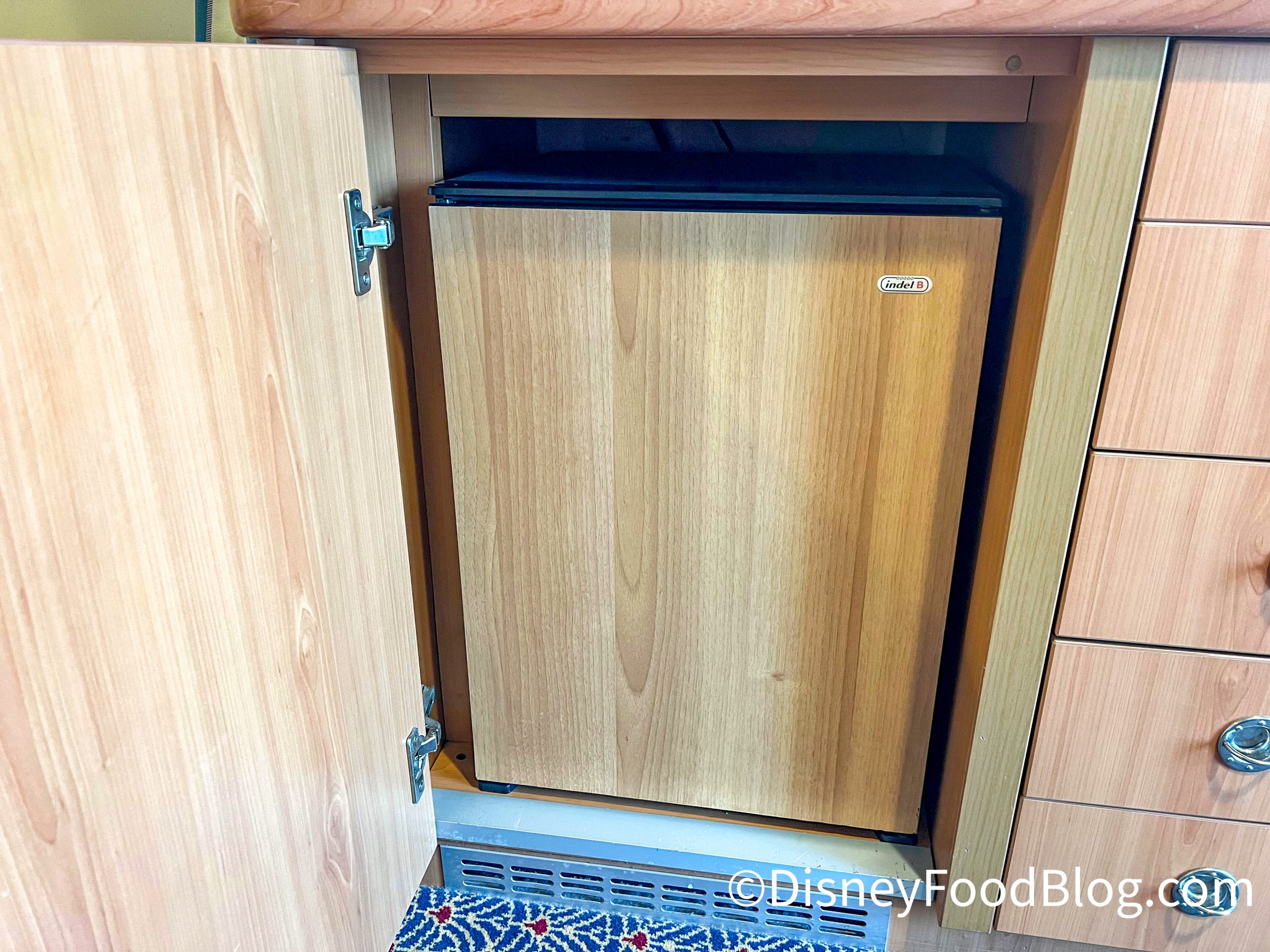
Mini Fridge
These mini fridges typically hold 40°F to 45°F or higher temperatures, rather than a consistent and safe refrigeration temperature.
While some hotels have true mini refrigerators, a bunch actually use beverage coolers. Since both are nearly identical, you may want to clarify with the front desk before you insist on sticking leftover steak or other protein in there. Fortunately, some beverage coolers also contain warnings, so you can read ahead before making what might be a BIG mistake.

Beverage Cooler
A glass-front unit is often a beverage cooler, while real refrigerators are more likely to have a temperature adjustment dial, a compressor “hump” inside the back, and colder internal temperatures throughout.
A real refrigerator uses a compressor to keep food at 40°F or colder — the temperature recommended to slow bacterial growth. Beverage coolers, on the other hand, often use thermoelectric cooling systems that simply lower the temperature to around 20 degrees below the surrounding room temperature. That simply won’t cut it for preserving leftovers.
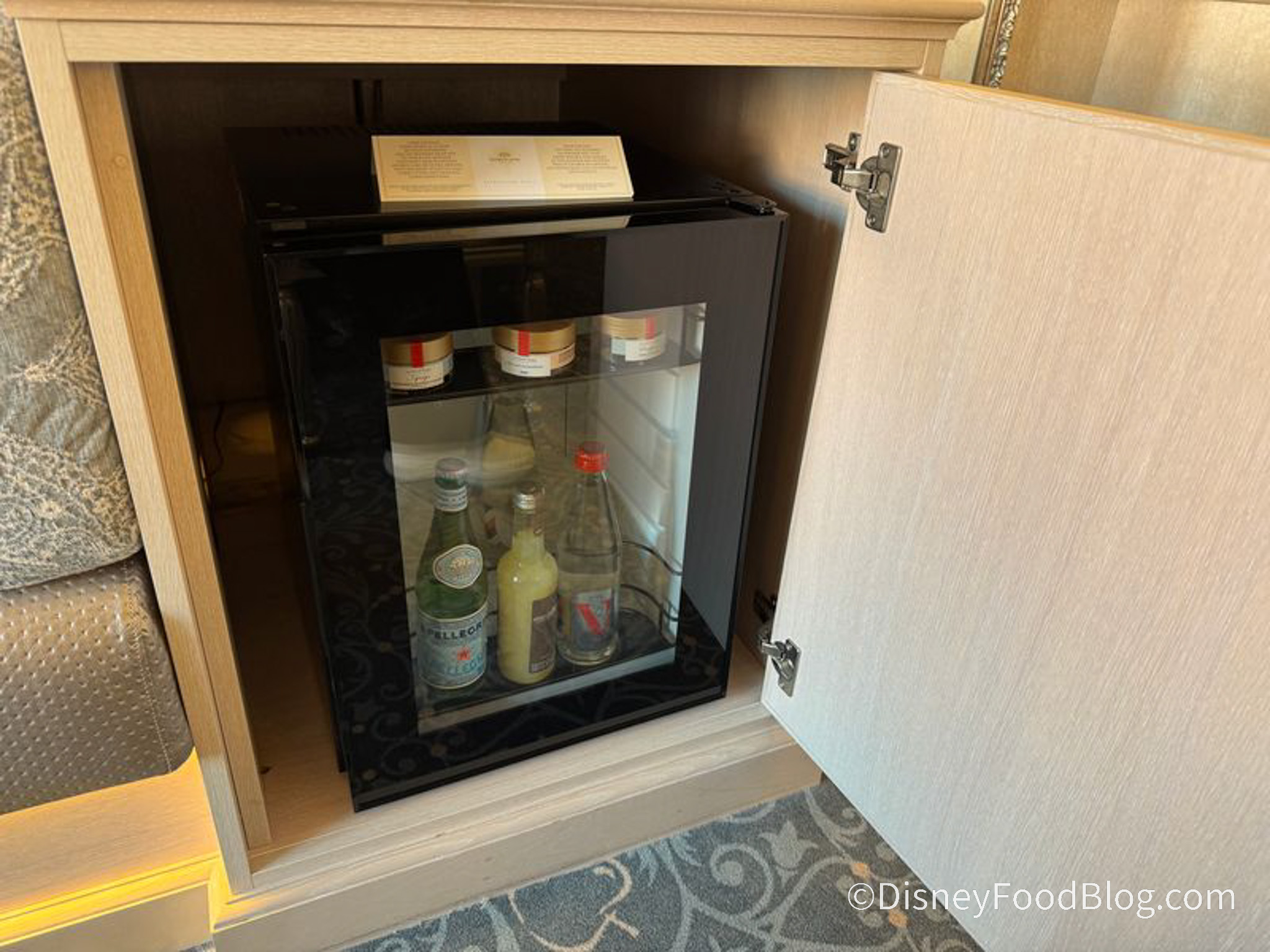
Beverage Cooler
If your hotel room is sitting at 72°F, that means the cooler might only reach the low 50s — far too warm for safely storing perishable foods.
Food safety experts call temperatures between 40°F and 140°F the “danger zone.” That’s where bacteria multiply the fastest, and if you eat this food, you’re seriously putting your health AT RISK!
If you tuck away last night’s cheeseburger, fried chicken, sushi, or creamy pasta in a beverage cooler that’s hovering around 50°F, you’re not really refrigerating it — you’re just slowing down the warming process a little, while the bacteria grows.

Mini fridge
Overnight, bacteria can continue multiplying, making those leftovers something that can end your vacation early… or worse.
The familiar two-hour rule still applies: perishable foods shouldn’t remain above 40°F for more than two hours before being properly refrigerated. And if you can’t properly refrigerate it, TOSS IT.

New York Strip Steak from Le Cellier
The easiest solution? Bring a small refrigerator thermometer if you know you’ll be storing food or medication. They’re inexpensive, take up almost no room in your luggage, and immediately tell you whether the appliance is actually keeping food below 40°F.
If you need to store essentials and the beverage coolers aren’t cold enough, call the hotel before you arrive. Many properties can provide an actual refrigerator upon request, particularly for medical needs. Some hotels also offer rooms with kitchenettes that include full-size refrigerators.
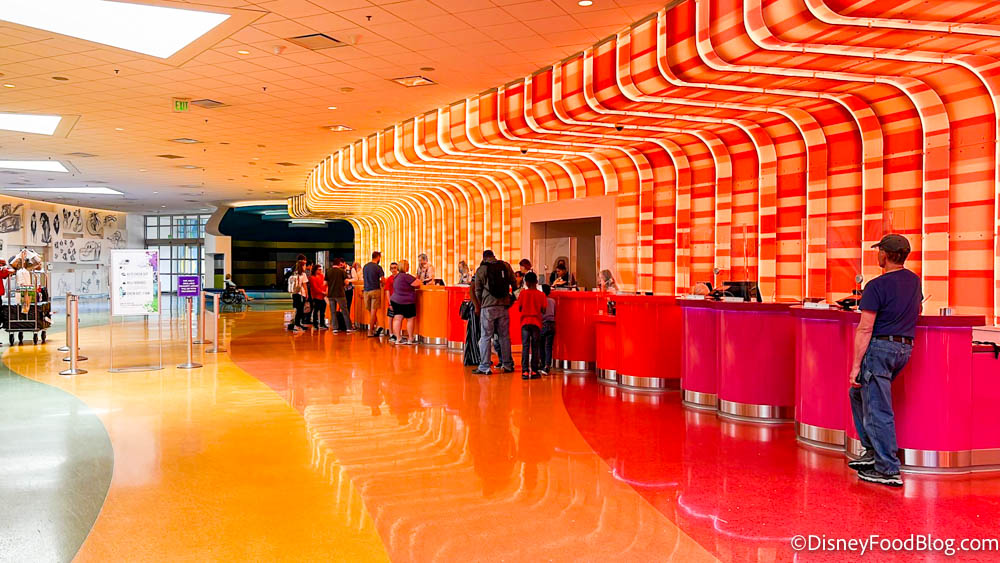
Front Desk at Art of Animation
If you’re unsure whether you have a real refrigerator, experts recommend sticking with foods that are naturally more stable, including crackers, dry cereal, beef jerky, peanut butter, pickles, and acidic condiments. Avoid cooked leftovers, meat, dairy products, seafood, eggs, and freshly prepared meals.
That tiny hotel “fridge” might seem like the perfect place to stash tomorrow’s lunch — but appearances can be deceiving. Take the necessary precautions and avoid the risk.
©Tampa Bay General Hospital
We’re always on the lookout for travel tips that will help you stay safe and have fun while you’re on vacation, so be sure to keep it posted right here at the Disney Food Blog for the latest updates!
[COLOR=#F]DON'T DO IT ALONE![/COLOR]
Our favorite people over at Small World Vacations are ready to help you save time, headaches, and best of all, money, when you book your Disney trip or cruise.
Their agents compare current offers to find the best deal for you -- they've literally saved their guests millions of dollars since 1996. Plus, their services are 100% FREE FOR YOU! (They're Magical Guides's recommended travel agency, and you can see why here!)
So book that trip now, then sit back and enjoy planning your Disney World Trip with a Magical Guides-approved expert! Click here for a no obligation price quote today, and let them know Magical Guides sent you

Their agents compare current offers to find the best deal for you -- they've literally saved their guests millions of dollars since 1996. Plus, their services are 100% FREE FOR YOU! (They're Magical Guides's recommended travel agency, and you can see why here!)
So book that trip now, then sit back and enjoy planning your Disney World Trip with a Magical Guides-approved expert! Click here for a no obligation price quote today, and let them know Magical Guides sent you
What are some travel tips everyone should know before they check into their hotel room? Let us know in the comments!
